
If you’ve ever wondered what exactly a handyman does beyond “fixing stuff,” you’re asking the right question. These versatile professionals are the backbone of home maintenance, handling everything from minor repairs to small-scale renovations. Let’s dive into the comprehensive world of handyman duties and discover why they’re essential for every homeowner.
The Multi-Talented Home Hero
A handyman is your go-to professional for a broad spectrum of home repairs and improvements that don’t necessarily require a specialized contractor. They’re the problem-solvers who can tackle your ever-growing to-do list with efficiency and expertise, saving you both time and money.
Essential Handyman Duties Explained
1. General Home Repairs
At the core of every handyman’s job description is general repair work. This includes fixing broken doors, replacing damaged trim, repairing cabinet hinges, patching holes in walls, and addressing wear and tear throughout your property. These professionals keep your home functioning smoothly by tackling those annoying little issues before they snowball into expensive disasters.
2. Carpentry and Woodworking Tasks
Handymen frequently perform carpentry duties such as installing crown molding, building custom shelving, repairing deck boards, replacing stair treads, and constructing basic wooden structures. Whether you need a new closet organizer or repairs to your wooden fence, carpentry skills are central to the handyman profession.
3. Basic Plumbing Services
While major plumbing projects require licensed plumbers, handymen handle routine plumbing tasks like fixing leaky faucets, replacing showerheads, unclogging sinks and toilets, installing garbage disposals, and repairing running toilets. They’re perfect for those frustrating water issues that don’t warrant an emergency plumber’s premium rates.
4. Minor Electrical Work
Handymen can safely perform simple electrical duties including replacing light switches and outlets, installing light fixtures and ceiling fans, troubleshooting circuit breaker issues, and updating outdated fixtures. They understand electrical safety and know when to recommend a licensed electrician for more complex work.
5. Painting and Finishing
From single-room makeovers to exterior touch-ups, painting is a staple handyman duty. They prepare surfaces, apply primer and paint, stain decks and fences, refinish cabinets, and ensure clean, professional results. Their attention to detail means no drips, streaks, or missed spots.
6. Drywall Repair and Installation
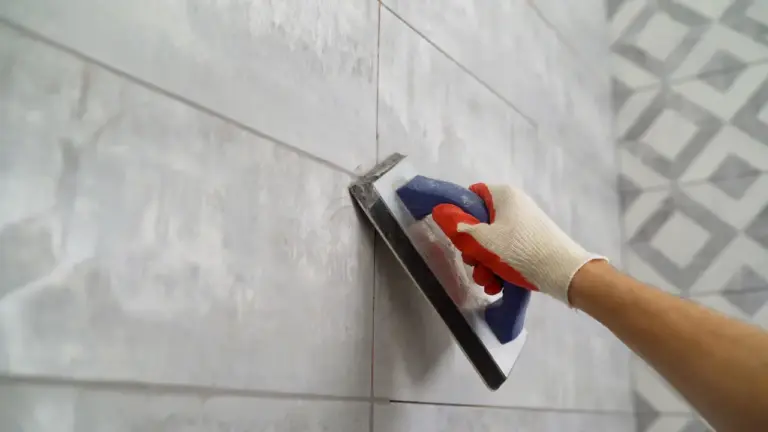
Holes, cracks, and water damage in drywall are no match for skilled handymen. They patch damaged sections, tape and mud seams, sand surfaces smooth, texture walls to match existing patterns, and prepare areas for painting. The result? Walls that look like the damage never happened.
7. Flooring Installation and Repair
Many handymen offer flooring services such as installing laminate or vinyl planks, repairing squeaky floorboards, replacing damaged tiles, and refinishing hardwood floors. They can transform worn-out floors into beautiful, functional surfaces.
8. Assembly and Installation Services
In today’s world of ready-to-assemble furniture and appliances, handymen are invaluable. They assemble furniture, install appliances, mount televisions and artwork, hang window treatments, and install closet systems—all those tasks that come with intimidating instruction manuals.
9. Exterior Maintenance
Handymen protect your home’s exterior through duties like cleaning gutters, power washing siding and decks, caulking windows and doors, repairing or replacing siding, maintaining outdoor structures, and performing weatherproofing tasks. Regular exterior maintenance prevents costly water damage and extends your home’s lifespan.
10. Seasonal Preventative Maintenance
Smart handymen offer seasonal maintenance services: preparing homes for winter, servicing heating and cooling systems, checking roof integrity, inspecting for pest entry points, and maintaining outdoor equipment. This proactive approach saves homeowners thousands in potential repair costs.
11. Kitchen and Bathroom Updates
While full renovations require contractors, handymen handle smaller updates like replacing cabinet hardware, installing new faucets, updating backsplashes, replacing vanities, and installing towel bars and toilet paper holders. These upgrades refresh spaces without major renovation expenses.
12. Safety Improvements
Handymen install smoke detectors and carbon monoxide alarms, add grab bars for accessibility, improve lighting for safety, repair loose railings, and address trip hazards. They help make homes safer for families, especially those with young children or elderly residents.
Why These Duties Matter
The beauty of handyman services lies in their versatility. Rather than coordinating multiple specialists for various small projects, you get one reliable professional who can efficiently handle a diverse task list in a single visit. This saves you scheduling headaches, multiple service fees, and precious time.
Handymen also serve as valuable advisors, spotting potential problems during routine work and recommending preventative measures. Their broad experience across multiple trades gives them unique insight into how different home systems interact and where issues commonly develop.
A handyman’s duties encompass far more than simple repairs—they’re skilled professionals who maintain, improve, and protect your home investment. Whether you need urgent fixes or routine maintenance, understanding these duties helps you make informed decisions about when to call a handyman versus a specialized contractor.
For most homeowners, having a reliable handyman on speed dial isn’t just convenient—it’s essential for maintaining a comfortable, safe, and well-functioning home.